
Six years after the Pine Gulch Fire burned 95,000 acres of ranch-managed land, The High Lonesome Ranch is helping create opportunities to explore new approaches to initial wildfire attack.
On July 31, 2020, lightning ignited a wildfire in remote terrain about 18 miles north of Grand Junction, Colorado.
What began as a single ignition grew into the Pine Gulch Fire, a wildfire that burned 139,007 acres across Mesa and Garfield counties and briefly became the largest wildfire in Colorado’s recorded history.
Nearly 95,000 of those acres were part of the landscape managed by The High Lonesome Ranch.
Six years later, that same ranch would become the setting for a different chapter in Colorado’s wildfire story. Rather than responding to the devastation of a major wildfire, The High Lonesome Ranch (HLR) would help create an opportunity to explore technology designed to reach fires during their earliest stages.
In September 2026, the ranch opened its property to the Colorado Division of Fire Prevention and Control’s Center of Excellence for Advanced Technology Aerial Firefighting (CoE) for operational and validation testing of the Precision Guided Suppression Unit (PGSU), an emerging aerial water-delivery system designed to support rapid initial attack.
For The High Lonesome Ranch, the partnership offers an opportunity to support innovation that could one day give firefighters additional options when responding to difficult-to-access wildfires.
A Landscape Worth Protecting
For The High Lonesome Ranch, the land is more than a place to raise cattle. It’s something to care for, protect, and pass on to future generations.
Near De Beque in western Colorado, the ranch spans about 225,000 acres of mountains, grasslands, desert, forests, and wildlife habitat. The landscape supports both a working cattle operation and an ongoing commitment to conservation, where ranching and responsible land management go hand in hand.
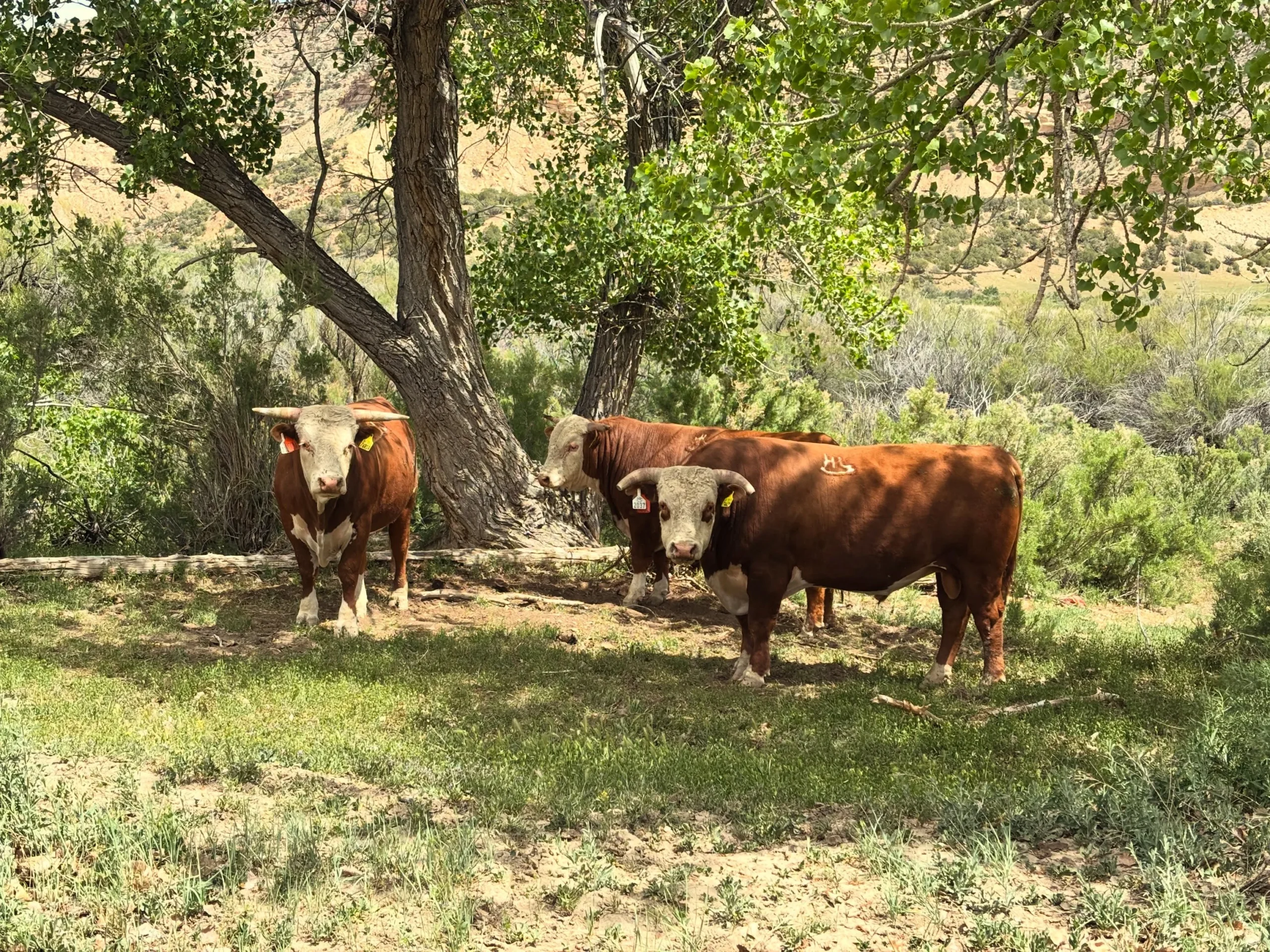
Of those 225,000 acres, approximately 30,000 are privately owned, while the remaining 195,000 are managed through grazing and other public land-use leases. It’s a significant amount of land to care for, and a responsibility the ranch doesn’t take lightly.
“We take the responsibility of stewarding that land very seriously, even though we are working on public land,” said Travis Brooks, General Manager of The High Lonesome Ranch. “It’s our responsibility to manage it responsibly.”
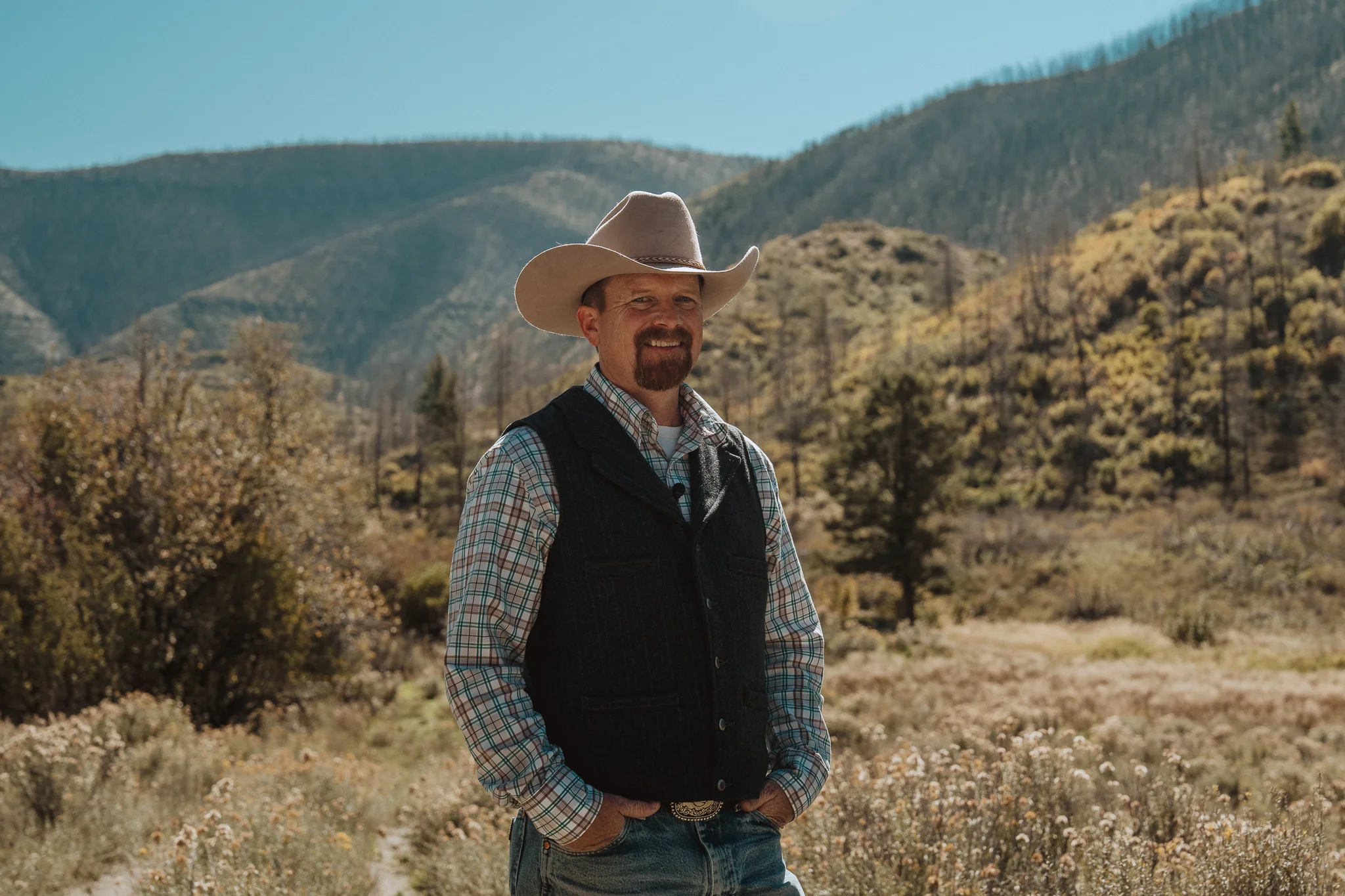
That philosophy shapes how the ranch operates. From managing cattle grazing to maintaining healthy vegetation and wildlife habitat, the goal is to leave the landscape better for the generations that follow.
But caring for a landscape of that size also means recognizing how quickly circumstances can change, particularly in a region where drought, extreme weather, and wildfire are familiar challenges.
In the summer of 2020, The High Lonesome Ranch experienced just how significant those challenges could become.
When the Pine Gulch Fire swept through western Colorado, nearly 95,000 acres of ranch-managed land burned. For a property built around the long-term care of its natural resources, the fire left an impact that extended far beyond the flames.
When a Small Ignition Becomes a Major Wildfire
When the Pine Gulch Fire began in late July 2020, its remote location immediately challenged responding firefighters.
Initial attack resources were unable to contain the fire as it spread through grass, sagebrush, pinyon-juniper and fir. Drought-stressed vegetation, unusually hot weather, and steep terrain contributed to weeks of active burning.
On the night of August 18, a thunderstorm brought winds reaching approximately 40 mph. Over just three to four hours, the fire grew by more than 30,000 acres.
Firefighters worked to protect homes, outbuildings, and surrounding communities, using heavy equipment, hand crews, established road systems, and strategic firing operations to slow its spread.
By August 27, the Pine Gulch Fire had surpassed the 2002 Hayman Fire to become the largest wildfire in Colorado’s recorded history. It would later be surpassed by the Cameron Peak and East Troublesome fires that same year.
For The High Lonesome Ranch, the consequences were significant.
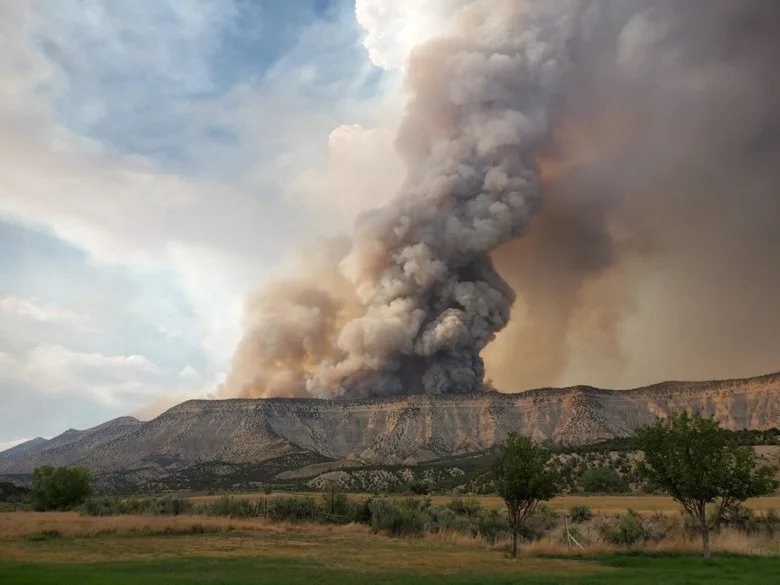
“It was a bad fire year in 2020, obviously,” Brooks explained. “It totaled over 135,000 acres. 95,000 of those acres were on The High Lonesome Ranch. So it was a big hit to the ranch.”
The fire’s impact extended beyond the acreage burned.
About a month before the fire began, the ranch purchased a new herd of cattle. As the wildfire approached, the animals were directly in its path.
Ranch personnel moved the cattle to safety, but the herd developed respiratory problems after the fire, and some animals were lost.
“They were able to get those cattle out of the path of the fire and secure them, but we did see respiratory issues postfire in that herd,” Brooks said. “So we did lose some cattle that could be attributed to the fire event itself.”
Although Brooks joined The High Lonesome Ranch after the 2020 fire, he understands the challenges it created for the property and the people responsible for managing it.
The Pine Gulch Fire was fully contained on September 23, 2020, nearly two months after the initial lightning strike. But for a working ranch managing such an expansive landscape, caring for the land doesn’t end when the flames are extinguished.
The years that follow bring their own responsibilities, from managing vegetation and maintaining healthy grazing land to making the landscape more resilient to future wildfires.
For The High Lonesome Ranch, that work includes a land management approach that might surprise some people.
Building Resilience from the Ground Up
Alongside its cattle, The High Lonesome Ranch has found another valuable partner in caring for its landscape: goats.
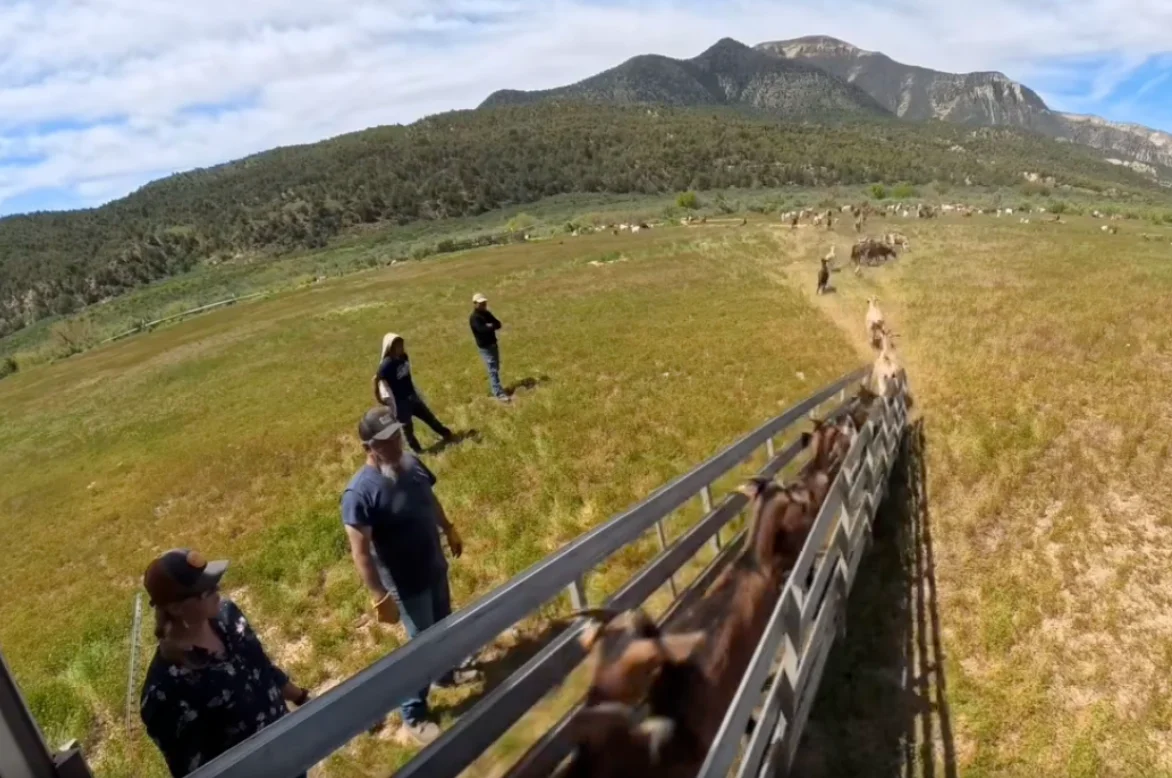
In the years following the Pine Gulch Fire, the ranch has continued to incorporate goats into its grazing operations as part of a broader approach to vegetation management, land restoration, and wildfire resilience.
The concept is relatively simple. Cattle and goats prefer different types of vegetation, making them well suited to working together.
Cattle primarily graze on grasses, while goats feed on woody brush, broadleaf weeds, and scrub oak that cattle tend to leave behind. By moving the animals through the same pastures in succession, the ranch can manage a wider variety of vegetation while supporting healthier, more balanced plant communities.
The practice, known as multi-species adaptive grazing, also offers benefits for wildfire mitigation.
Cattle help reduce grasses that can carry fire across the ground, while goats target woody underbrush that can let flames climb into taller vegetation and tree canopies. Together, the animals help manage potential fuel loads across portions of the ranch’s expansive landscape.
It’s a practical approach that reflects the ranch’s broader stewardship philosophy: working with the land, understanding its challenges, and finding ways to care for it over the long term.
But vegetation management is only one part of the wildfire challenge.
The Pine Gulch Fire also demonstrated how difficult it can be to reach an ignition when it starts in remote, rugged terrain. Even with proactive land management, there are circumstances where firefighters cannot safely access a fire during its earliest stages.
“The Pine Gulch specifically, we’ve seen it over and over and over, it was just inaccessible,” Brooks said. “The initial start of that fire just wasn’t safe to try to get people to.”
For Brooks, that reality raises another important question: Beyond managing the landscape to reduce wildfire risk, what more can be done to give firefighters options when a fire first starts?
That question would eventually connect The High Lonesome Ranch with the Colorado Center of Excellence.
Exploring New Possibilities for Initial Attack
Every catastrophic wildfire begins as a small fire. But not every ignition occurs where firefighters or aircraft can respond immediately.
Remote terrain, darkness, smoke, weather, and other operational limitations can create what the aerial firefighting community calls denied environments—conditions where traditional suppression resources may be constrained, delayed, or unable to operate safely.
When suppression is delayed, a wildfire has more time to spread, intensify, and threaten communities and natural resources.
It’s a challenge that requires more than one solution. While landowners like The High Lonesome Ranch work to manage vegetation and reduce wildfire risk on the ground, researchers, technology developers, and public safety organizations are also exploring new ways to reach fires before they grow.
For the Center of Excellence for Advanced Technology Aerial Firefighting, that means looking beyond incremental improvements to existing tools and tactics and creating opportunities to test fundamentally different approaches.
One such technology is the Precision Guided Suppression Unit (PGSU).
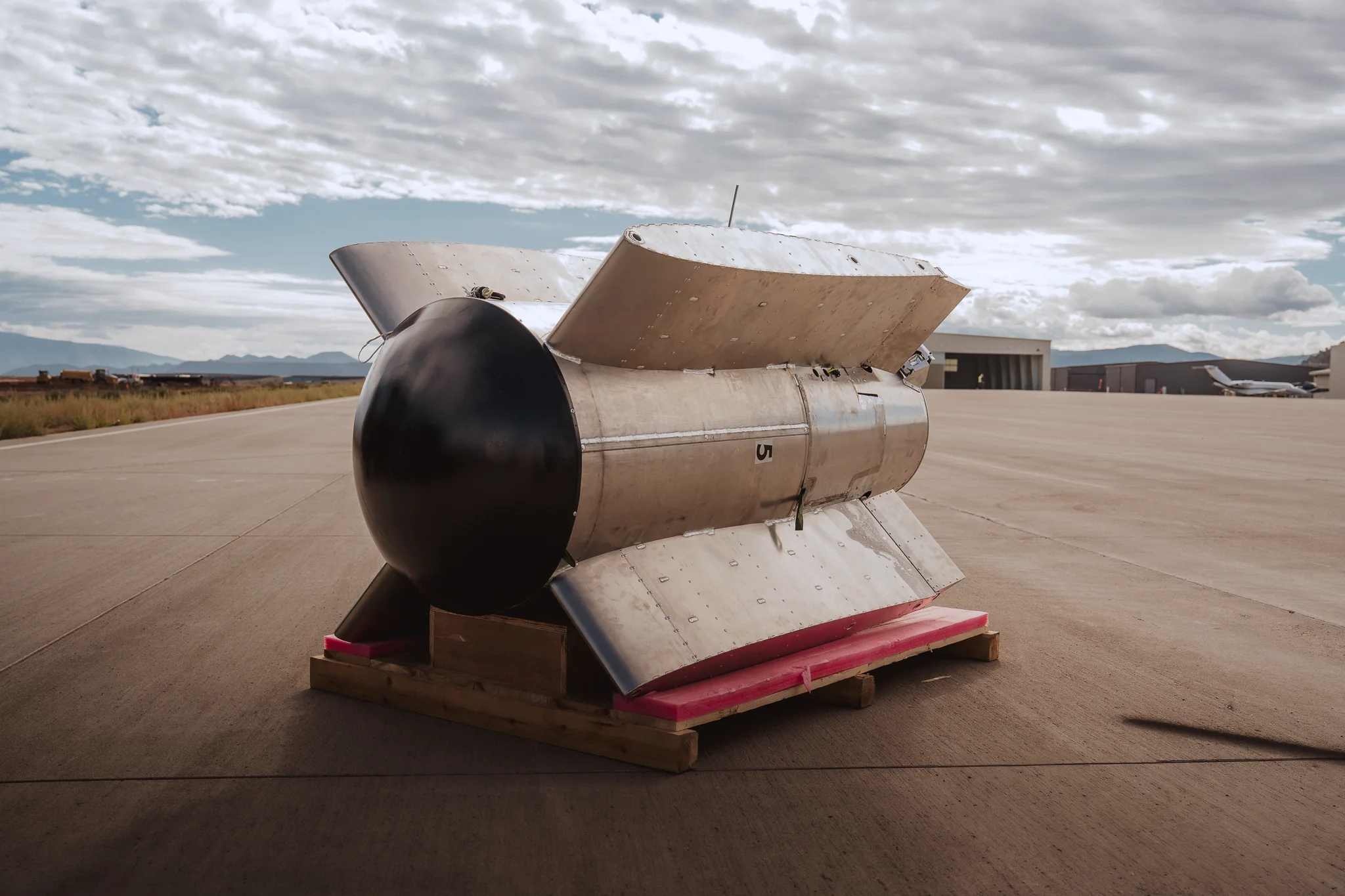
Developed by Prime Minute, the PGSU is an emerging aerial water-delivery system designed to support rapid initial attack on new and emerging wildfires, including those in remote or difficult-to-access environments.
Each PGSU carries approximately 110 gallons of water and uses GPS guidance and onboard flight controls to navigate toward a predetermined target after being released from an aircraft. The broader operational concept involves deploying multiple PGSUs to deliver water as part of a coordinated suppression effort.
The CoE’s role is to independently evaluate the system’s safety, accuracy, and precision under realistic operational conditions, helping establish a better understanding of its performance, capabilities, and limitations.
To conduct that testing, the CoE needed an appropriate location with enough open space, accessibility, and flexibility to safely evaluate the technology.
The High Lonesome Ranch provided that opportunity.
A Partnership Built on Possibility
With its expansive landscape, open terrain, and accessible testing areas, The High Lonesome Ranch provided the conditions the CoE needed to conduct its PGSU validation activities.
“It just happened to fit the criteria that the Center of Excellence was looking for, for a drop site,” Brooks explained. “They obviously needed private ground. It’s fairly open. It’s accessible, and it’s a chunk of ground that’s manageable from a public safety perspective.”
The logistical requirements aligned, and the ranch welcomed the opportunity to participate.
“All the pieces just fell together, and it seemed like a good fit for us,” Brooks said. “We’re happy to partner with them.”
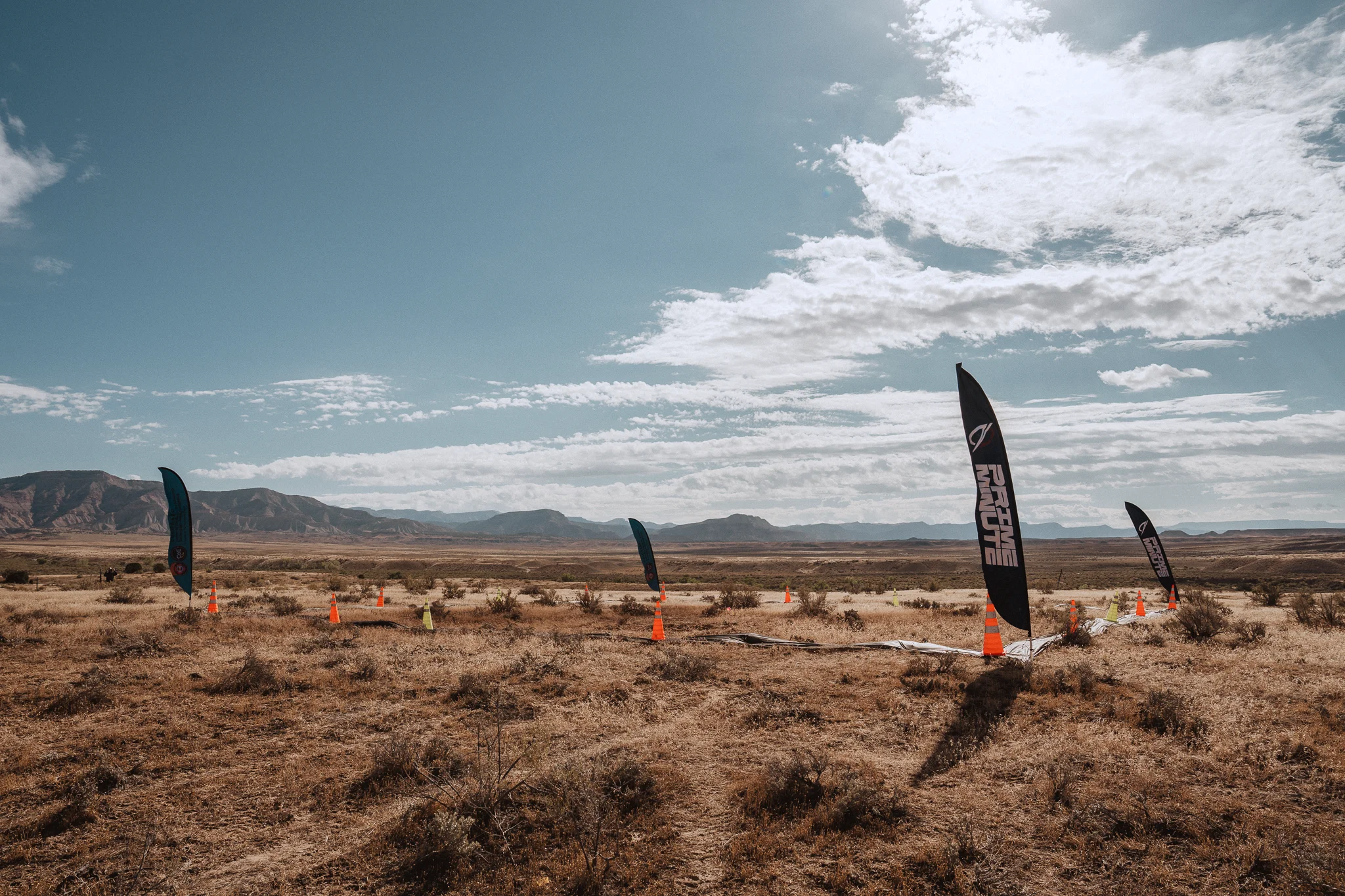
For Brooks, the project’s potential significance extends beyond the demonstration itself.
Having seen the lasting effects of the Pine Gulch Fire on the landscape he now helps manage, he recognizes the importance of exploring new technologies that could provide additional options for responding to emerging wildfires.
“I think it’s a great concept. Twenty-four-hour-a-day availability of initial attack is a big deal,” Brooks said. “I think with the possibility of these things being able to work in the dark and after hours is a big deal.”
Using this technology in unscheduled fires remains a future goal, as it has not yet been proven in real-world wildfire operations. However, Brooks sees this concept as a direct response to a key challenge exposed by the Pine Gulch Fire: the need for effective firefighting solutions when traditional methods cannot safely reach the ignition point.
“I think this type of technology is that missing piece that we need for the initial attack phase of it,” he said. “So I fully support this project. I think it’s going to be a great step forward.”
Innovation Begins with Partnership
Advancing wildfire technology requires more than engineering, research, and testing. It also requires collaboration with the people and communities who understand what is at stake when wildfires grow beyond initial attack.
For the Center of Excellence, The High Lonesome Ranch’s willingness to provide a testing location represents an important part of that process.
The CoE looks beyond today’s operational capabilities, brings emerging technologies together with operational expertise, and creates opportunities to test and validate ideas that could fundamentally change what is possible in wildfire response.
Community partners like The High Lonesome Ranch help make that work possible.
And while the Pine Gulch Fire left a lasting mark on the ranch’s landscape, Brooks’s perspective on the future extends beyond protecting property and natural resources.
For him, protecting the people responding to these incidents is equally important.
“From a ranching perspective and just a general member of society perspective, saving one life of a first responder is probably worth all the effort that we can put into it,” Brooks said. “And I think technology like this could be life-saving in the future, I really do.”
The PGSU remains an emerging technology, and further development and evaluation are needed to determine its potential applications and limitations. But one thing remains true: No single technology can eliminate the challenges of wildfire response.
But partnerships like the one between The High Lonesome Ranch and the CoE create opportunities to explore new ideas, challenge existing approaches, and pursue capabilities that may one day give firefighters more options.
Six years after the Pine Gulch Fire devastated much of its landscape, The High Lonesome Ranch has shifted from recovery to leadership in wildfire response. By opening its land for the operational testing of emerging firefighting technologies, the ranch is helping drive practical, real-world innovations that could benefit communities across Colorado and beyond.
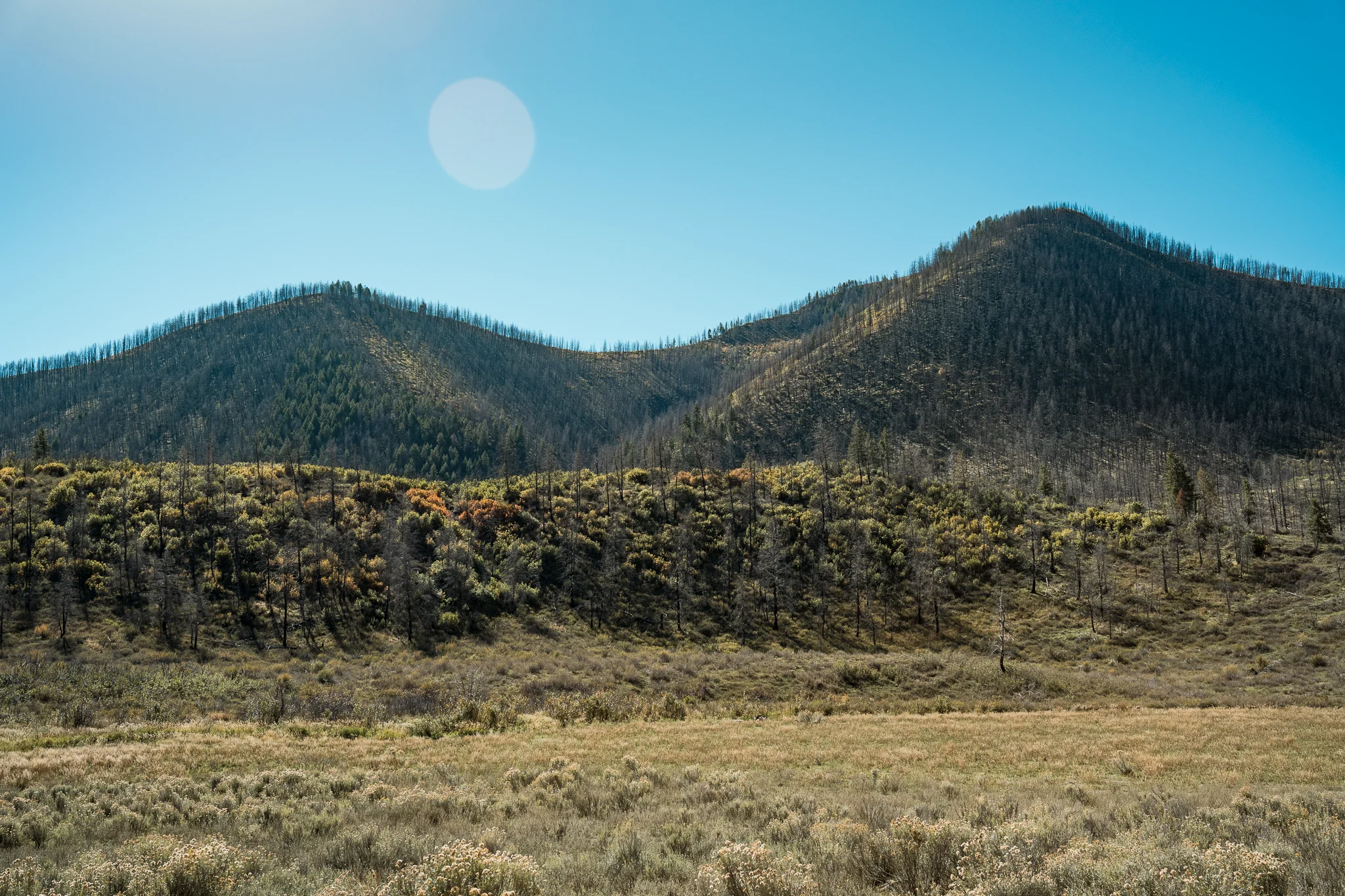
Looking ahead, the project and partnership with The High Lonesome Ranch will soon begin phase two, which involves testing how effective the Precision Guided Suppression Unit (PGSU) is at suppressing scheduled fires—controlled burns set under safe, planned conditions. The goal is to gather data and refine the technology so that, by 2027, the PGSU can be confidently deployed to fight unscheduled, real-world wildfires that occur unexpectedly.
The Center of Excellence is deeply grateful to The High Lonesome Ranch for its vital support and partnership in this project. To learn more about the PGSU validation project, visit: cofiretech.gov/pgsu.